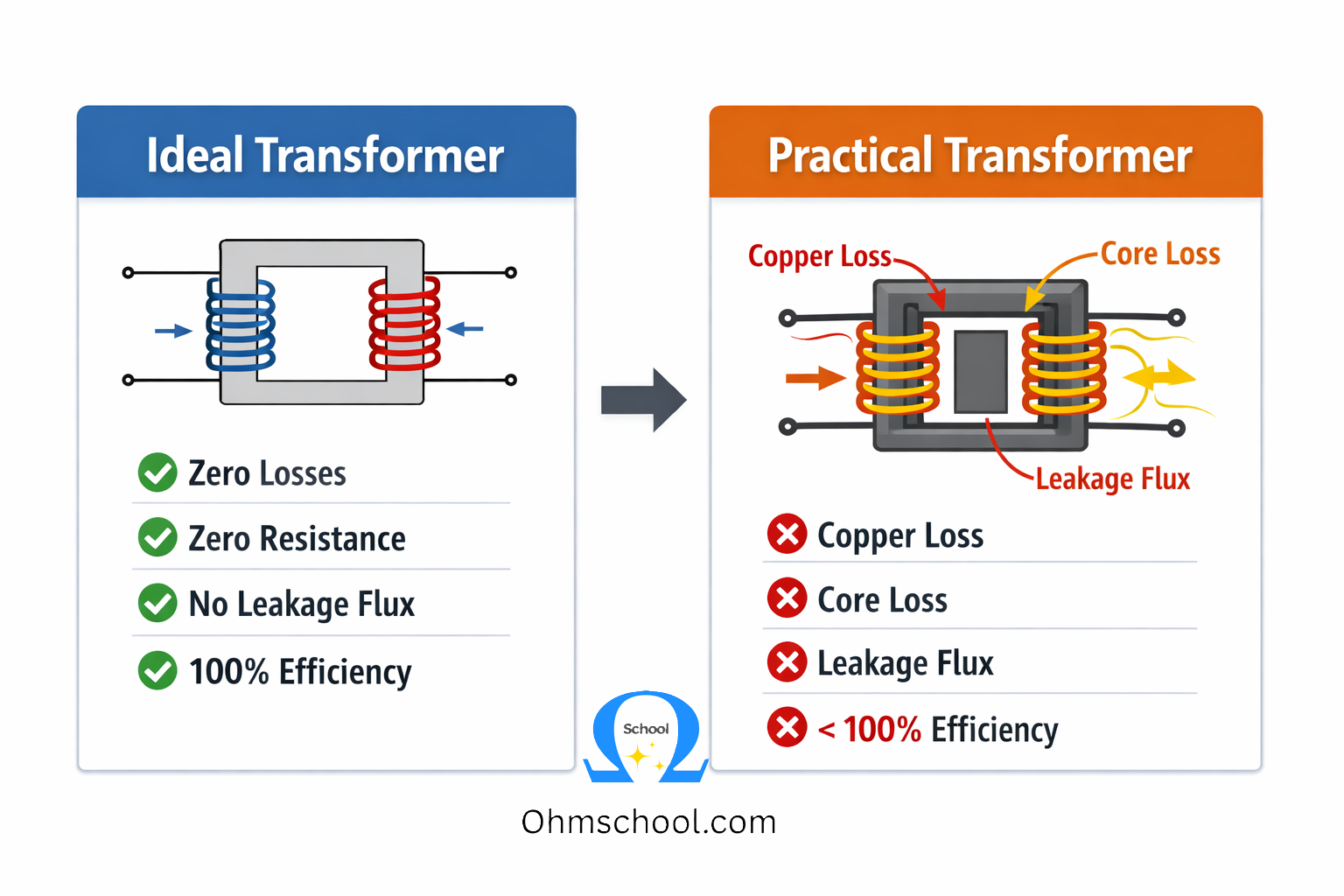
The difference between an ideal and a practical transformer is that an ideal transformer is a theoretical, loss-free device with 100% efficiency, while a practical transformer is a real device that has copper losses, core losses, leakage flux, and efficiency less than 100%.
- Ideal Transformer: A hypothetical transformer with no losses, zero resistance, and perfect magnetic coupling.
- Practical Transformer: A real transformer that includes winding resistance, magnetic losses, leakage flux, and voltage drops.
Ideal vs Practical Transformer (Comparison Table)
| Parameter | Ideal Transformer | Practical Transformer |
|---|---|---|
| Nature | Theoretical model | Real electrical device |
| Losses | No losses | Copper & core losses present |
| Efficiency | 100% | Less than 100% |
| Winding Resistance | Zero | Finite |
| Leakage Flux | Absent | Present |
| Core Permeability | Infinite | Finite |
| Voltage Regulation | Zero | Non-zero |
| Output Power | Equals input power | Less than input power |
| Practical Use | Only for study | Used in power systems |
What is an Ideal Transformer?
An ideal transformer is an imaginary device used only for learning and calculations. It assumes:
- Zero electrical resistance
- No magnetic losses
- No leakage flux
- Perfect energy transfer
👉 Important: Ideal transformers do not exist in real life.
What is a Practical Transformer?
A practical transformer is an actual transformer used in power transmission, distribution, and electronics. It has:
- Winding resistance
- Leakage reactance
- Core losses
- Voltage drop under load
👉 All transformers used in real systems are practical transformers.
Losses in Practical Transformer
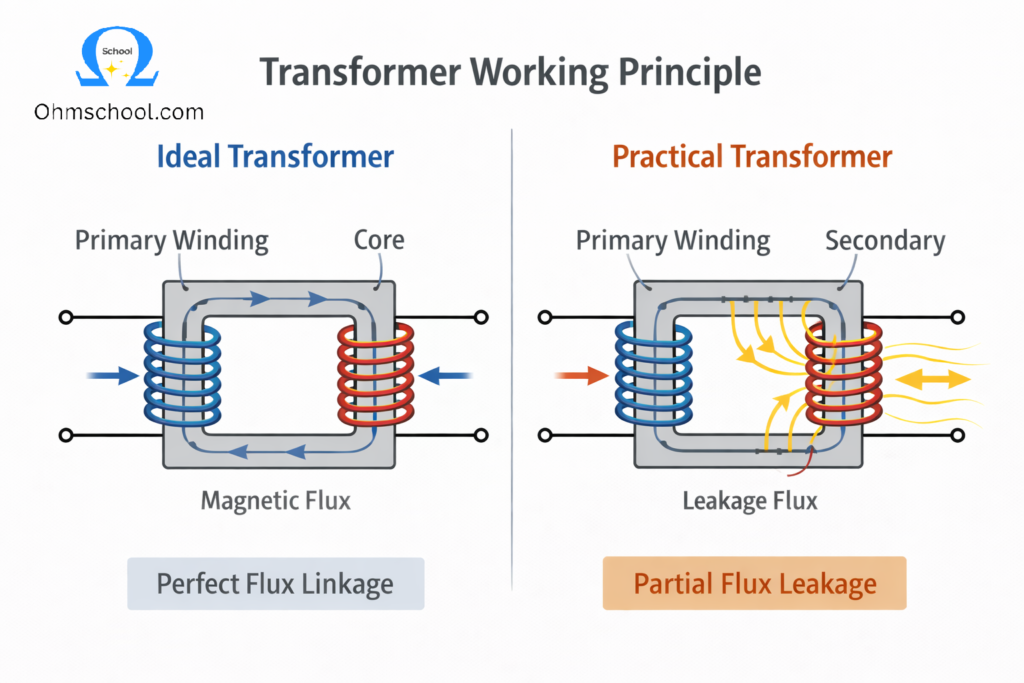
1. Copper Loss
- Occurs due to resistance of windings
- Depends on load current
- Formula:
Copper Loss = I²R
2. Core (Iron) Loss
Occurs in the transformer core and is independent of load.
- Hysteresis Loss: Due to repeated magnetization of the core
- Eddy Current Loss: Due to circulating currents in the core
👉 Reduced using laminated silicon steel cores.
Efficiency Comparison
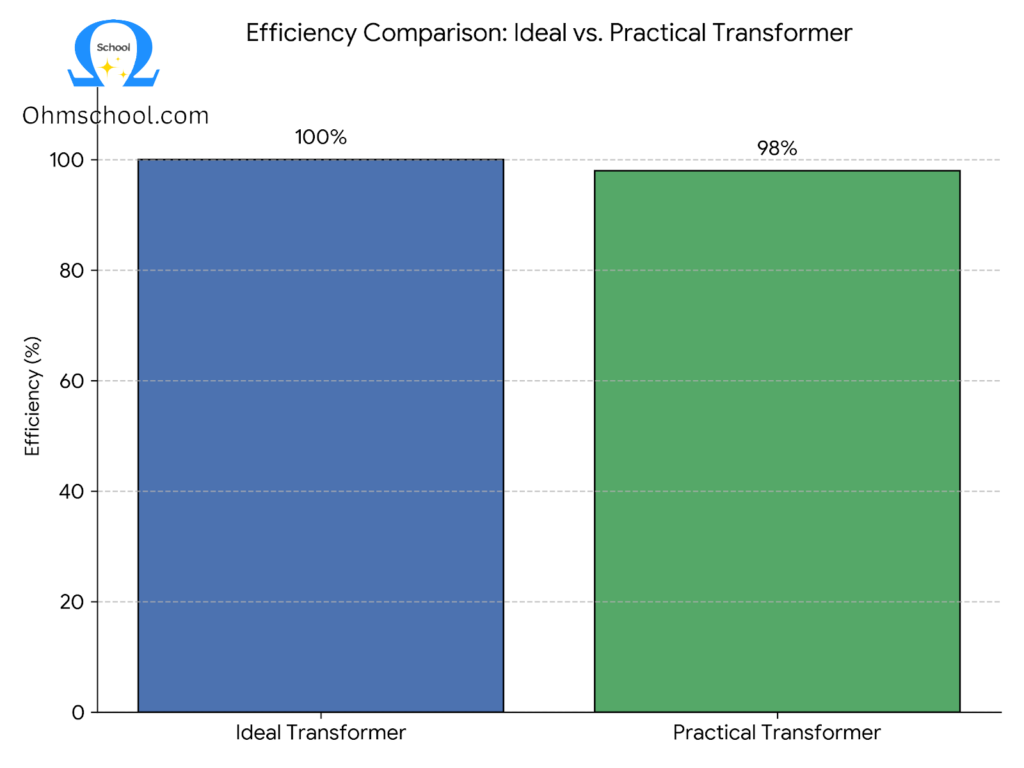
- Ideal Transformer Efficiency:
- Practical Transformer Efficiency: Modern practical transformers achieve 95%–99% efficiency.
Voltage Regulation Difference
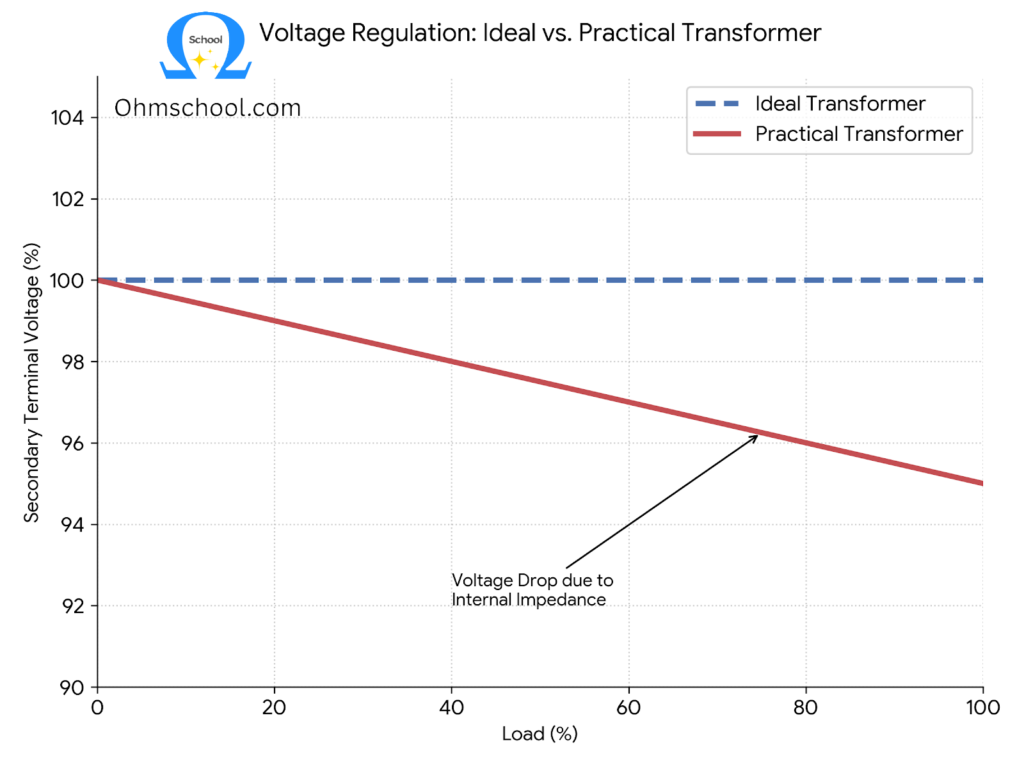
- Ideal Transformer:
No voltage drop, regulation = 0% - Practical Transformer:
Voltage drop occurs due to resistance and leakage reactance
Real-World Applications (Practical Transformer)
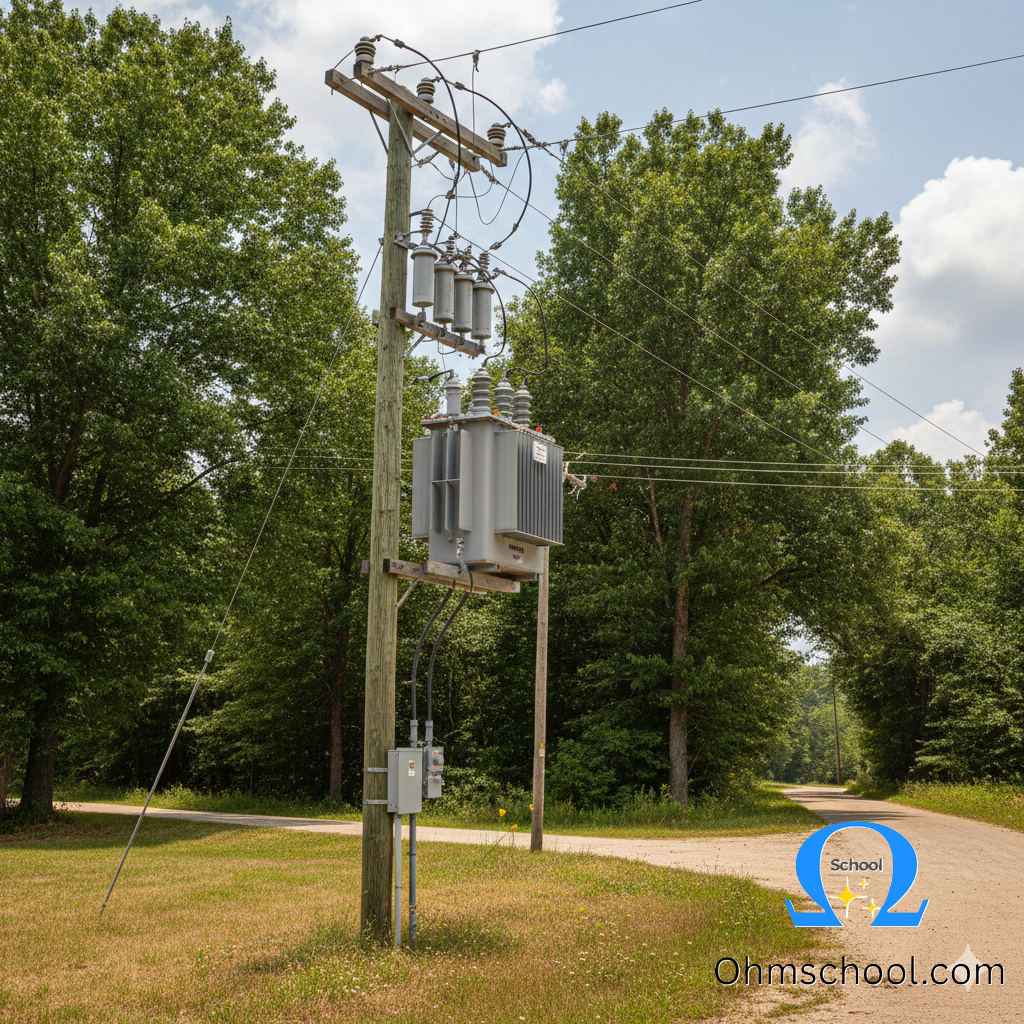
Practical transformers are used in:
- Power stations and substations
- Transmission and distribution networks
- Mobile chargers and adapters
- UPS and inverter systems
- Industrial electrical equipment
Exam-Focused Key Points
- Ideal transformer → no losses, imaginary
- Practical transformer → losses present, real
- Efficiency of ideal transformer = 100%
- Efficiency of practical transformer < 100%
- Practical transformer used in all real applications
Conclusion
An ideal transformer is a perfect theoretical concept, while a practical transformer is a real device affected by losses and inefficiencies. Understanding this difference is essential for electrical engineering exams, interviews, and practical system design.
Why do engineers study ideal transformers if they don’t exist?
Because ideal transformers simplify analysis, help understand working principles, and act as a reference model for practical transformers.